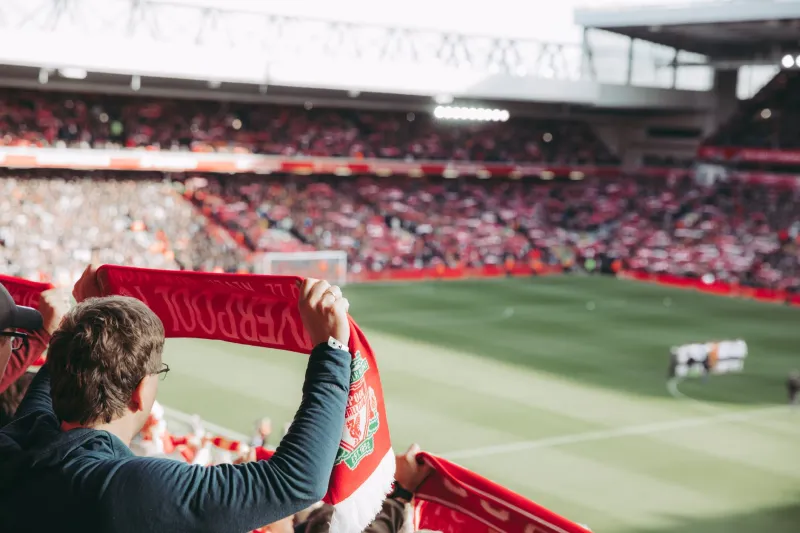
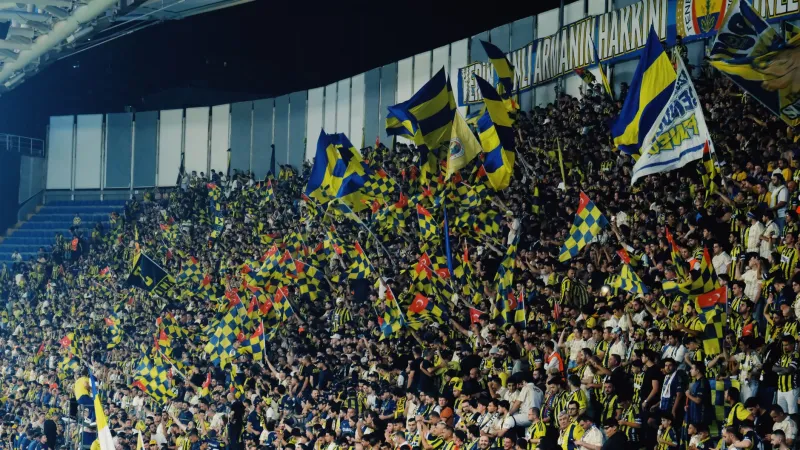
Learning the Words Before the Language: Kastamonu's Expat Corner Finds Its Voice
The Guy Who Applauded at the Wrong Time
Every fan community has its origin stories, and Kastamonu's expat corner has a good one. It involves Dave, a retired teacher from Michigan who moved here for family reasons, and the moment he clapped politely during a minute of silence for a former club chairman.
The terrace didn't riot. An older gentleman simply put a hand on Dave's shoulder, shook his head, and held a finger to his lips. By the next home game, Dave knew. By the game after that, he was the one shushing a confused tourist.
That's basically how cultural exchange works in the stands: quietly, one mistake at a time.
Two Fandom Languages, One Stadium
American sports fandom and Turkish terrace culture come from different planets. In the US, your fandom is largely something you consume — a ticket, a hot dog, a jumbotron cue. You cheer when prompted. You sit in your assigned seat. You leave in the seventh inning to beat traffic.
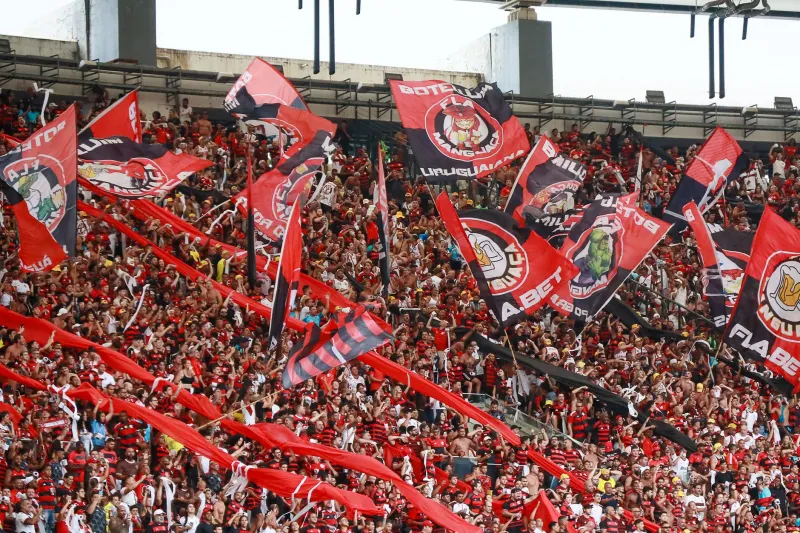
Turkish terrace culture, especially at a club like Kastamonu, is something you produce. Nobody cues you. The chants don't stop when the team is losing — if anything, they get louder. The 90 minutes are a participatory event, closer to a congregation than a crowd.
For the expats who've adopted the club — a mix of American transplants, English teachers, remote workers, and a surprisingly dedicated online community following from states like Texas and Oregon — the learning curve has been steep and occasionally hilarious.
"I tried to start a wave in the third week," admits Marcus, who now runs an English-language Kastamonu fan account with a few thousand followers. "The looks I got. A wave. At a Turkish match. I might as well have asked for a crab rangoon."
The Unwritten Rulebook
Ask the expat regulars what they've learned and the list comes fast:
- The chant starts with one person, and that person might be 70 years old. Volume is not age-restricted here.
- You don't sit during big moments. Ever. Even if your knees disagree.
- The opposing team's bus gets applauded, not booed. Hospitality isn't just for fans.
- You stay for the full celebration. Leaving early to beat traffic is a concept that simply does not compute on this side of the Atlantic.
But the exchange runs both ways, and that's the part nobody expected. The expats brought things too.
What the Americans Gave Back
The most obvious contribution: content. The English-language fan accounts have introduced Kastamonu to a diaspora of curious followers — Turks living abroad, American soccer obsessives looking for a second team, and the occasionally bewildered casual fan who wandered in from a highlight clip.
Less obviously, they've brought a certain organizational instinct. Marcus's group helped set up a simple English-language matchday guide for visiting fans. Dave, drawing on decades of booster club experience back home, has quietly become the guy who coordinates the away-day logistics for the small expat contingent — a role that, in his words, "is just being a dad with a spreadsheet, but the kids are all 45."
There's also the merch angle. A small run of bilingual scarves — half Turkish chants, half English ones — sold out in a weekend, with proceeds going to the youth academy. Turns out two fan cultures stitched into one scarf is a pretty good metaphor.
The Translation Problem
Here's the thing about chants: you can transliterate them, but you can't translate them. "The rhythm matters more than the meaning," says Sarah, an English teacher who's been season-ticket adjacent for two years. "I know what the words mean now. But for the first six months, I was making sounds. Phonetic karaoke. Nobody cared. That's the beautiful part — the terrace doesn't grade your homework. It just checks your volume."
That low barrier to entry — show up, be loud, mean it — is exactly what wins over Americans raised on stadium entertainment. There's no app for this. No in-seat service. Just you, your voice, and 90 minutes of shared nerve endings.
Small Club, Big Tent
Kastamonu is not a global brand, and that's precisely the point. Supporting a club this size from abroad is an act of deliberate choice, not inherited habit. Nobody's grandfather in Portland was a Kastamonu fan. These people picked this team — the way you pick a favorite dive bar or a minor-league club two towns over.
And the club, to its credit, picked them back. The supporters' group formally welcomed the expat contingent last season. There's now a standing spot — standing, always standing — informally known as the "yabancı köşesi," the foreigner's corner, though the regulars there would bristle at the label. They're not foreign fans. They're just fans.
Dave puts it best: "Back home, I was a customer. Here, I'm a member. Took me one silent minute and one hand on my shoulder to figure out the difference."
The whistle blows, the chant rises from somewhere behind the goal, and a retired teacher from Michigan is leading it. Two football cultures, one terrace, zero translation required.