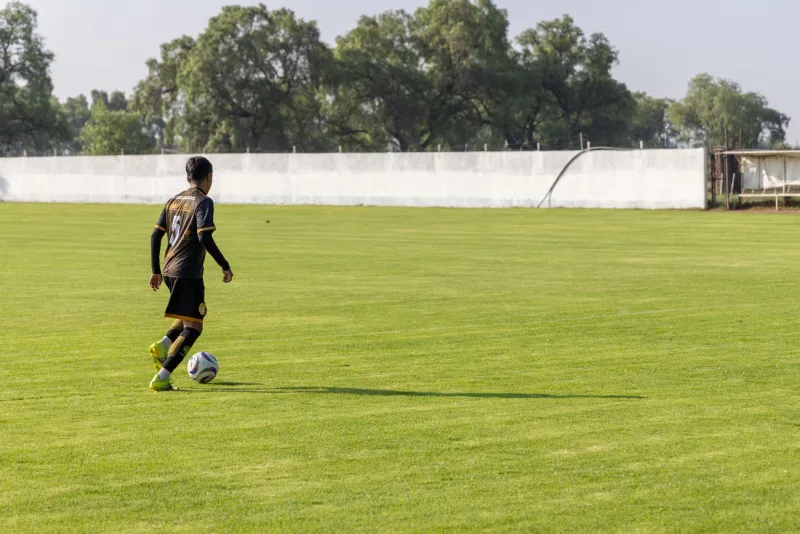
Before the Whistle: Inside a Kastamonu Matchday That Puts Big-Market Fandom to Shame
Picture this: it's 9 a.m. on a Sunday in Kastamonu, a city tucked into the pine-covered hills of Turkey's Black Sea region, and the bakeries are already out of bread. Not because of a holiday. Because it's matchday.
If you're an American sports fan, your reference points for passion probably include a college football Saturday in Tuscaloosa or the sea of red at an Arrowhead Stadium tailgate. Hold onto those images — then imagine that same energy compressed into a city smaller than Boise, Idaho, where the club isn't just a team, it's the town's shared heartbeat.
The Morning Ritual: Tea First, Tactics Second
In US sports culture, the pregame belongs to the parking lot. In Kastamonu, it belongs to the tea glass.
By late morning, the çay bahçesi — the tea gardens that function as the city's living rooms — fill up with men in club scarves and kids clutching replica jerseys two sizes too big. The conversation isn't small talk. It's lineup debates, transfer rumors, and the eternal question of whether the coach should press higher. It's sports talk radio, except it's live, face-to-face, and fueled by tulip-shaped glasses of tea instead of burnt coffee.
There's no ticketed pregame experience here. No sponsored fan zone. The pre-match gathering is organic, generational, and — this is the part that surprises American visitors — open to anyone who sits down. A grandfather who's been coming since the 1980s will happily break down the defensive shape for a ten-year-old. That intergenerational handoff of knowledge and loyalty is something US pro sports, with its ticket tiers and luxury boxes, often struggles to replicate.
The Walk to the Ground: A Procession, Not a Commute
Around two hours before kickoff, the streets leading toward the stadium start to throb. Vendors appear with flags, roasted chestnuts, and simit. The march isn't rushed — it's a procession. Drummers sometimes pick up a rhythm, and before long a few hundred fans are moving as one slow, chanting column.
The closest American parallel might be the Vol Navy or the pregame Grove at Ole Miss — traditions where the journey matters as much as the game. But in Kastamonu, the walk happens every single week, in every kind of weather, for a club that has never played in a Champions League final and never will. That's the difference between tradition and spectacle.
Inside the Terraces: 90 Minutes of Organized Chaos
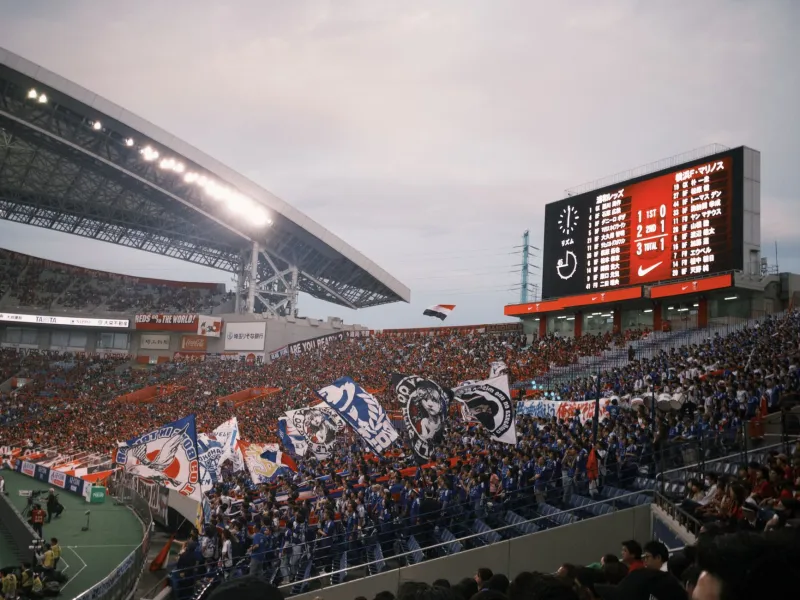
Turkish stadium culture is famous worldwide, and even at the regional level, it delivers. The supporter groups behind the goal don't sit — ever. They stand, arms linked, conducting chants like a sousaphone section on energy drinks. Flags stay aloft for the full match. Smoke and confetti mark the teams' entrance, and the noise doesn't dip during lulls in play the way it does at, say, an NBA arena between free throws.
What strikes first-time American observers most is the synchronization. Chants start in one section and ripple across the ground within seconds. There are leaders with megaphones, yes, but the real mechanism is decades of shared memory. Everyone knows the songs because their fathers taught them.
And here's a detail worth stealing: when the club scores, the celebration isn't just noise — it's release. Grown men hug strangers. Grandmothers wave scarves. In a small city, everyone in the stands probably knows someone on the pitch, or coached them in youth football, or served them bread that morning.
Small City, Deep Roots
The economics of loyalty here are simple: there's no competing franchise. No bandwagon to hop on, no rival to casually adopt when times get tough. Kastamonu's club is the only show in town, and that monopoly of the heart produces something American big-market fans pay fortunes to approximate — genuine, unbreakable civic identity wrapped around a team.
US college sports come closest. A town like Ames, Iowa, or Starkville, Mississippi, understands this dynamic innately. The team is the identity. The difference is that college towns eventually lose their best players to graduation and the NFL draft. Kastamonu loses its stars to bigger Turkish clubs too — but the club itself never leaves.
What American Fans Can Take Home
Three lessons, then, for the US sports fan curious about what makes a Kastamonu matchday special:
- Arrive early, stay late. The match is the centerpiece, but the day is the experience. Linger at the tea garden. Talk to strangers.
- Singing beats stadium music. No PA-triggered chants, no kiss cam. The crowd creates its own soundtrack, and it's better.
- Loyalty is local. Rooting for a team because it's yours — not because it wins — turns every matchday into a statement of belonging.
So the next time someone tells you American fans are the loudest in the world, tell them about a Sunday morning in a Black Sea hill town where the bread runs out before kickoff, and 10,000 people sing for ninety straight minutes about a club that has never given them a trophy worth mentioning — and never once heard them stop singing.
That's matchday in Kastamonu. It's not bigger than the NFL. It's just deeper.