From the Hills to the First Team: The Quiet Factory Behind Kastamonu's Rising Talent
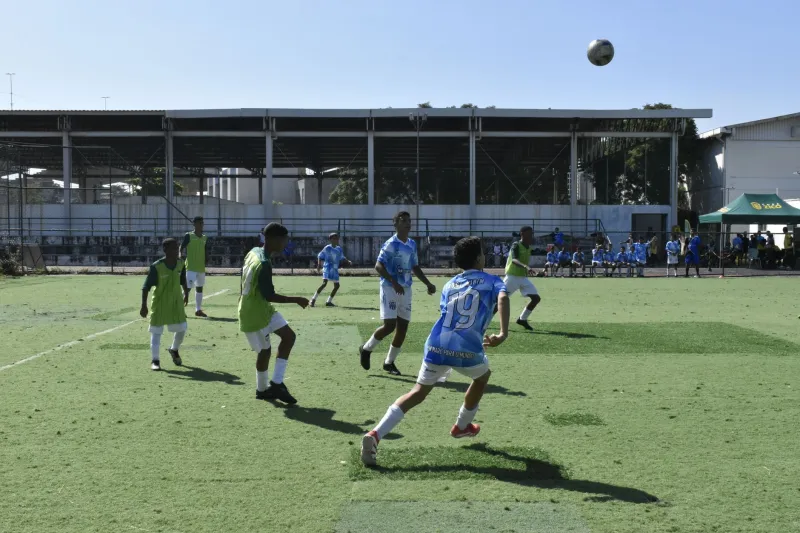
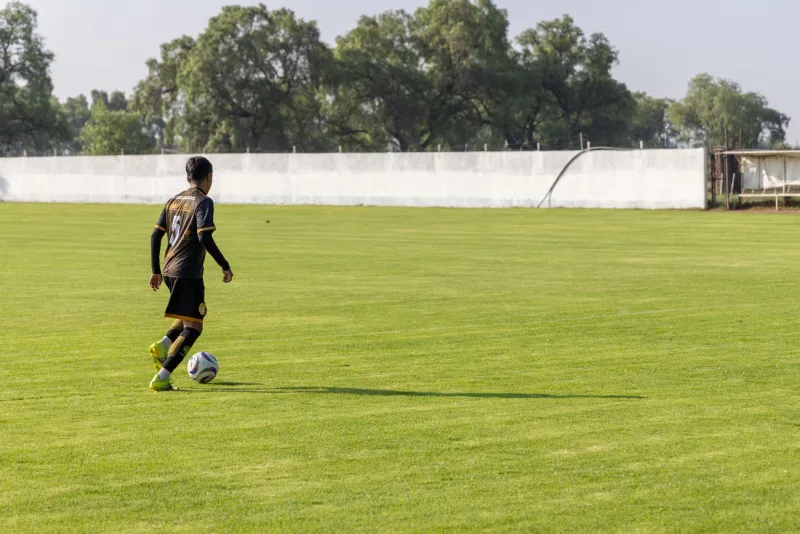
Every Tuesday and Thursday evening, a steady stream of mothers' sedans and fathers' work trucks rolls up to the club's training ground on the edge of town. Out come eleven-year-olds with oversized shin guards and gym bags held together with duct tape. In America, this scene would come with a recruiting industry attached — rankings, showcase circuits, travel-team fees that could fund a semester of college.
In Kastamonu, it comes with a thermos of tea for the coach and a promise that everyone gets picked up by 8:30.
The System, Stripped Down
The academy operates on a model that would look almost radical to American parents: it's nearly free. The club — provincial budget and all — covers coaching, facilities, and kit for its youth teams from the under-10s through the under-19s. There are no pay-to-play gates, which means the talent pool is the whole town, not just the families who can afford the entry fee.
Scouts from Istanbul's giants show up a few times a season, clipboards out, watching the same handful of prospects everyone local has been raving about for years. But the club's stated goal isn't to sell kids young. It's to graduate them into the first team — or, failing that, into professional football somewhere, with Kastamonu's name attached.
The Coach Who Knows Everyone
Run the youth setup day to day and you'll find a former lower-league midfielder who came back home when his playing career wound down. He coaches the under-15s, drives the minibus to away fixtures, and can tell you the older brother, the school, and the grandfather of every player in his squad.
His philosophy fits on an index card: touch the ball a thousand times a session, play out of the back even when it's terrifying, and never, ever yell at a kid for trying a pass. "At this age," he says, "you're not building a player. You're building a person who loves the game enough to keep building himself."
That patience shows up in the results. The academy's teams don't always win regional tournaments — the big-city academies with better facilities often do — but the conversion rate from academy graduate to professional contract is the metric that matters here, and it punches well above the club's weight.
One Who Made It
Ask anyone around the training ground for the template and they'll point to the first-team regular who came through every age group from the under-12s up. A winger with a low center of gravity and a habit of beating his man twice, he signed his first professional deal at eighteen and broke into the senior side a season later.
What's telling is what he didn't do: he didn't leave at fourteen for a big-city academy, the route many talented Turkish kids take. He stayed, played two hundred youth matches on the same grass, and learned the first team's system from the inside. Now when the club sells a player on staying, his name is the closing argument.
The American Comparison — and the Difference
US readers can think of it as a high school program that doubles as a developmental pipeline — the way a Texas football powerhouse or an Indiana basketball school feeds talent upward. The community investment, the multi-generational familiarity, the sense that the team belongs to the town: it all maps.
The difference is what comes after. American high school stars route through college before the pros, a system with scholarships and eligibility clocks. Turkish academies are the pipeline themselves. A sixteen-year-old in Kastamonu can sign professional terms, train alongside senior players daily, and debut in the same calendar year — no clearinghouse, no eligibility committee.
That compression is the academy's whole value proposition. It turns a kid with ability into a professional with roots, and it does it without a single dollar of pay-to-play. For a provincial club, that's not just player development. It's the business model, the community glue, and the future, all wearing the same kit.