Shave and a Trophy: How a Barbershop Window Became Kastamonu's Most Visited Museum
Photo: Internet Archive Book Images, No restrictions, via Wikimedia Commons
Ask an American sports fan where the trophies live and they'll give you an address. Canton, Ohio. Cooperstown, New York. Springfield, Massachusetts. There's a building, a gift shop, an admission fee, and a velvet rope between you and the hardware.
Ask a Kastamonu fan the same question and you might get a shave.
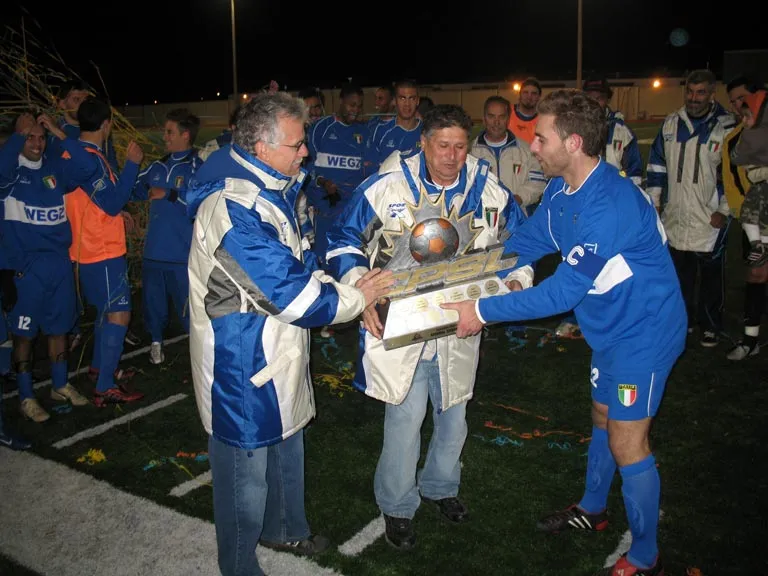
That's because the most important trophy in this club's modern history — the one grown men get misty about after their fourth çay — sits in the front window of Hasan Demir's barbershop on Cumhuriyet Avenue, three blocks from the stadium. It shares the glass with a comb sterilizer and a hand-lettered sign advertising hot towel service for 40 lira.
And here's the thing: it might be better this way.
The Museum That Isn't
Kastamonu Kulübü has never had a proper museum. No climate-controlled display hall, no audio tour, no plaque honoring a founding donor. For a club approaching its centennial, that sounds like an oversight. Spend a week walking the city, though, and you realize it's something closer to a design philosophy nobody consciously chose.
The 1974 cup run? That's a signed jersey above the kebab grills at Ocakbaşı Yusuf, faded to the color of weak tea, hanging close enough to the exhaust that the fabric has its own subtle smoke profile. The legendary 1968 side? A single black-and-white photograph behind the counter at Eczane Şahin, wedged between the aspirin and the band-aids, where the pharmacist can point to her grandfather — second from the left, looking like he's never smiled in his life.
"People ask why we don't collect it all in one place," Hasan told me between customers, not looking up from a fade. "One place? The whole city is one place."
Curators With Clippers
What the club lacks in institutional archiving, it makes up for in accidental curators. These aren't historians. They're shopkeepers who ended up with a trophy because a player owed them money, or a manager liked their coffee, or — in the case of the pharmacy photo — because their family simply never threw anything away.
The result is a decentralized hall of fame with no hours, no admission, and no security guard. The barbershop trophy has survived two break-in attempts (both would-be thieves were recognized and gently persuaded to leave), one flood, and Hasan's wife's decade-long campaign to move it "somewhere sensible."
Compare that to the American model. I've been to the NFL's Hall of Fame in Canton. It's immaculate, moving, and utterly separate from the sport itself — a mausoleum you visit on a road trip, not a place you pass on the way to work. Kastamonu's version is the opposite. The history doesn't wait for you in a building. It ambushes you during a haircut.
Living History vs. Preserved History
There's a real argument that artifacts kept alive by daily contact degrade faster but mean more. The kebab shop jersey gets touched. Kids ask about it. Yusuf tells the story — slightly wrong, slightly better each year — to anyone who orders the mixed grill. A museum label says "Signed jersey, 1974." Yusuf says "That's from the night Mehmet played the second half on a broken foot, and if anyone tells you different, they weren't there."
Which version do you remember?
There's a vulnerability to this arrangement, of course. Shops close. Owners pass away. The club's unofficial archive is one rent hike away from losing an entire decade. Some fans — usually the younger ones, the ones who've seen the gleaming facilities at Galatasaray and Beşiktaş — argue it's time to build something permanent.
The old guard's response is consistent: the day the trophies move behind glass, they stop belonging to everyone.
The Tour Nobody Advertises
If you visit Kastamonu for a match, do the unofficial circuit. Start at Hasan's barbershop — get the hot towel, ask about the window. Walk to the pharmacy and compliment the photograph; the pharmacist will talk for twenty minutes. End at the kebab place and let the jersey start the conversation for you.
No tickets required. No gift shop exit. Just a city that never got around to building a museum because, in a very real sense, it already lives in one.
The velvet ropes of Canton have nothing on a barbershop chair with a view of the cup.