Tickets, Tea, and Two Hours of Standing: A First-Timer's Field Manual for a Kastamonu Matchday
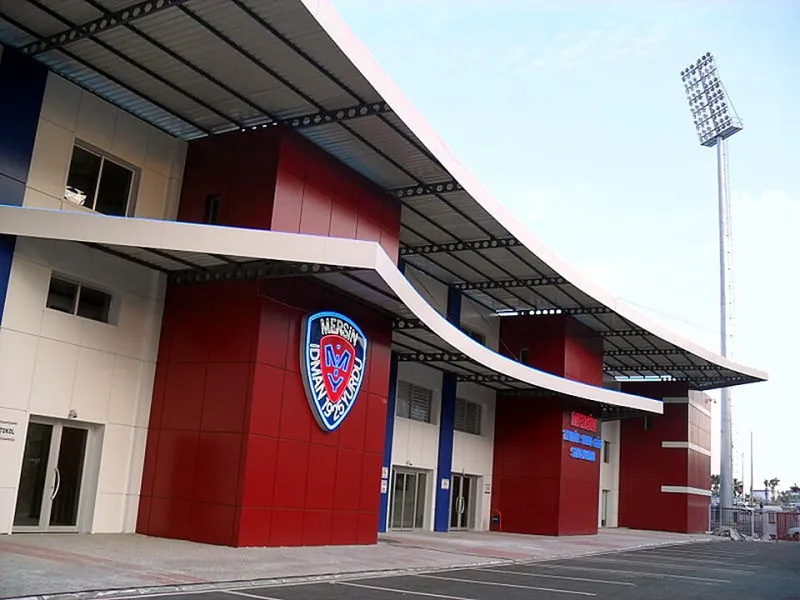
Photo: Nedim Ardoğa, CC BY-SA 3.0, via Wikimedia Commons
Every few weeks, somebody in a group chat in Ohio or Oregon types the same message: okay, hypothetically, if I actually flew to Turkey for a Kastamonu home game, how would that even work? Hypothetically, it works fine. Actually, it works even better — provided you accept one thing up front. The match is roughly ninety minutes. The day is about six hours. Budget your energy accordingly.
What follows is not a glossy tourism brochure. It's the version I wish somebody had handed me the first time, written by a person who has stood in the wrong line, worn the wrong shoes, and once tried to hand a tea glass back to the wrong man.
The game is the smallest part of the day
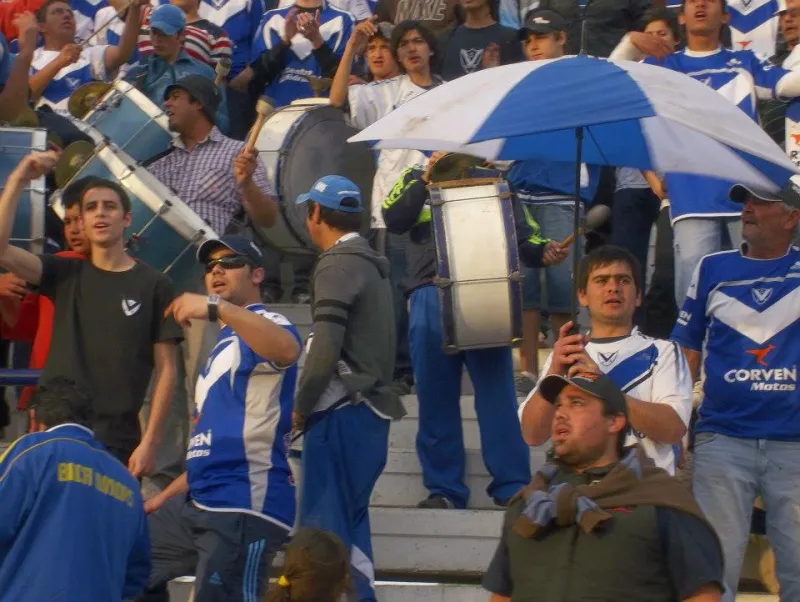
Kastamonu does not treat a home fixture like an appointment you show up to. It treats it like a slow-building weather system. The drum arrives before the players. The banners go up before the drum. The tea starts flowing before the banners are fully tied off. If you land at the stadium at kickoff, you haven't seen a football match — you've seen the last hour of one.
So plan backward from the whistle, not forward from your hotel.
Getting to Kastamonu without a rental car
Most American visitors will route through Istanbul and then either take a short domestic hop into Kastamonu Airport or settle in for the long bus ride from Ankara. The bus is the more local experience and the more forgiving one if your flight was delayed; the flight is faster and less scenic. Either way, build in a buffer day. Mountain roads and winter weather are not interested in your connecting itinerary.
Once you're in the city, you do not need a car. Kastamonu is a walking town with a bus network that will get you close to the ground. Ask your hotel desk which dolmuş line runs nearest the stadium on matchday — routes shift slightly on game days, and the person at reception knows the current answer better than any app.
Tickets: buy them the boring way
Here is the unglamorous truth: there is no clean English-language checkout page waiting for your Visa card. That is not a crisis. It just means you buy like a local.
- At the window, on the day. Small bills, cash, arrive two hours early. The queue is not scary and the prices are gentle — think the cost of two coffees in a mid-size American city, not a stadium club seat.
- Through your hotel. Front desks in Kastamonu are used to this request and are generally happy to make a call.
- Directly, in advance, if you're organized. A short, polite message to the club's social accounts — in simple Turkish if you can manage it, plain English if you can't — usually gets a human reply within a day or two. Keep it to three sentences and include the fixture date.
Two warnings. First, do not buy from a man in the parking lot holding a fan of tickets; nobody's scam is elaborate here, but you don't need the hassle. Second, if the fixture is a derby, treat it as sold out weeks out and pick a different weekend for your first trip. A packed house is glorious. A packed house with you standing in the wrong section is not.
Where to sleep, what to eat
Stay central. The older quarter near the market gives you walkable dinners, breakfast that starts early, and a reasonable taxi ride to the ground. There are small pansiyons and business hotels; nothing about this trip requires luxury, and a place with a real breakfast is worth more than a place with a fancy lobby.
Eat before you go. A tray-food lokanta at midday — beans, rice, something braised, bread you'll be sorry you didn't take more of — is the correct fuel. On the walk in, grab simit from a cart. After the final whistle, follow the crowd to soup and tea rather than fighting for a taxi. Nobody in this city is in a hurry at 10 p.m., and you shouldn't be either.
When to arrive (early, then earlier)
Gates typically open well before kickoff, and the honest recommendation is to be at the ground ninety minutes out. Not because security is slow, but because the pre-match is the exhibit. The lower concourse smells like grilled bread and wet concrete. The capos test the drum. Somebody's uncle is taping a banner with the exactitude of a man framing a painting. You will be adopted by a stranger within ten minutes if you stand still and look curious instead of lost.
What to wear
Layers, and shoes you'd wear to a cold high school football game. The stands are open, the plastic seats hold the cold, and a November evening here is not a California November. Gloves are not soft. A scarf is not a costume — it's insulation and it's also the local handshake. If you own something in club colors, wear it. If you don't, wear something dark and neutral and no one will say a word.
The tea tray is a social contract
Midway through the first half, a man will come down your row with a metal tray crowded with tulip-shaped glasses. This is the single most important interaction of your day.
Take the glass by the rim, not the waist — the waist is hot. Hold it. Drink it. It's strong, it's small, it costs almost nothing, and the whole point is that you're holding something while you talk to the person next to you. Have coins ready. When the collector circles back at halftime, hand the glass over cleanly and say teşekkürler — thanks. If a neighbor offers you a glass and refuses your money, let him. That's not charity; that's a handshake with hot liquid in it.
Declining the first tea is the fastest way to remain a tourist all afternoon.
Three rules that keep you from looking lost
1. The row is a family; the seat map is a rumor. Your ticket has a number. It's a suggestion in the general-admission-feeling sections. What is not a suggestion is the rhythm of the row: when they stand, stand. When they sit, sit. When they surge forward at a corner, don't be the guy in the fourth row still checking his phone. Follow the group and you'll never be corrected.
2. Give the referee his due — loudly, but in Turkish. You may join the noise. What you should not do is deliver a detailed English-language tactical critique of the officiating to the strangers around you, at volume, in the 15th minute. Local opinion about referees is a heritage crop, harvested carefully over decades. You're a guest in that field. Cheer, groan, clap — leave the analysis for the tea house afterward.
3. Don't leave early. This is the one that will genuinely mark you. In America we beat traffic; here, the last ten minutes are the reason people came. The 89th-minute clearance that goes out for a throw is treated with the reverence your culture reserves for a buzzer-beater. Stay until the players have walked off. Then stay another ten minutes, because the singing doesn't stop at the whistle.
Six words, one afternoon
Merhaba (hello). Teşekkürler (thanks). Çay (tea). Kaç para? (how much?). Afiyet olsun (enjoy your food). And hadi — the little syllable that means go, come on, let's move, and everything else.
You will not need more than that. You will need the buffer day, the layers, and the willingness to stand up when the row stands up. Everything after that is just a very good afternoon with ninety minutes of football buried in the middle of it.