The City Holds Its Breath: Seven Sounds From a Kastamonu Home Match, Decoded
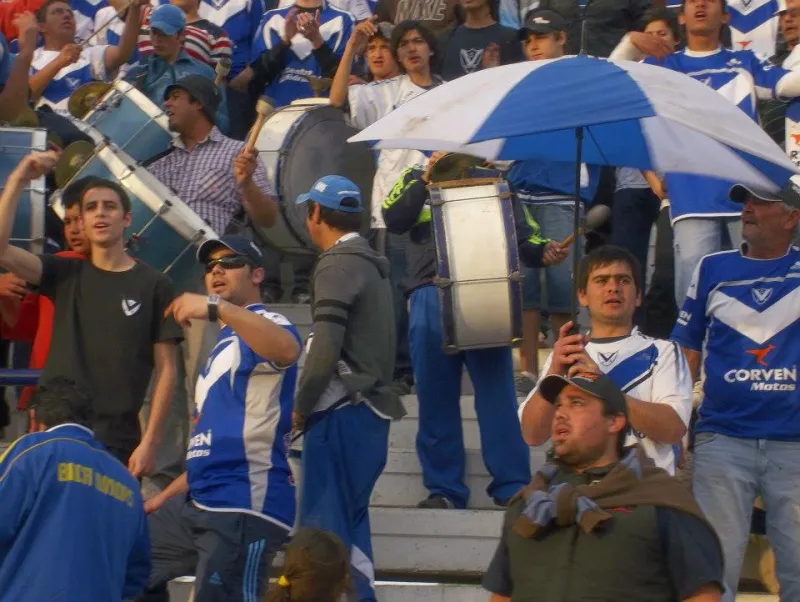
Photo: Sportivo Rivadavia, CC BY-SA 3.0, via Wikimedia Commons
A friend of mine watched his first Kastamonu match on a laptop in Chicago and said it was like watching a baseball game with the sound off: technically legible, emotionally flat. Then he flew over and stood in the stand for ninety minutes and came back with a different complaint — he couldn't understand a thing anybody was saying, but he understood exactly what everyone was feeling.
That's the trick of this place. A lot of the information at a Kastamonu home game arrives through the ears before it reaches the eyes. So if you're new here, here's what to listen for. Seven sounds. Seven meanings.
1. The tick of a tea glass on metal
Timing: mid-first-half, roughly the twentieth minute.
You'll hear it behind the stand before you see the tray — a light, glassy ticking, like someone tapping a fork against a window. That's a vendor working the concourse with a metal tray of tulip glasses, and the ticking is the sound of him collecting the empties.
What it means: the game is settled. The stand has stopped fidgeting. Nobody is buying tea during a panic; tea is a comfort purchased when the match has found its rhythm. When the ticking starts going up and down your row, so has the afternoon.
2. The three-beat drum, then the pause
Timing: about ten minutes before kickoff, and again after every goal.
One drum, usually, sometimes two when things get serious. The pattern is almost always the same: three hits, a beat of nothing, three hits. That empty beat is not a mistake. It's a question being asked of the crowd, and the crowd is supposed to answer.
What it means: if you're in the stand and don't know the words, find the nearest person and copy them on the answering line. The drum is the metronome and the skin of this whole thing — nobody is going to hand you a songbook. But you'll have the tune by halftime whether you want it or not.
3. The low groan that arrives before the counterattack
Timing: random, always a half-second early.
This is the one that takes a visitor by surprise. There's a brief, collective ohhhh from the crowd — barely a sound, more like a shared exhalation — and only afterward does the ball turn over and the opponent break.
What it means: the stand is reading the play faster than the broadcast. That groan is a thousand people watching a pass get played slightly behind a runner, or a defender take a heavy first touch, and knowing. Don't look at the ball. Look where the noise is pointing.
4. Two whistles, two completely different worlds
Timing: constant.
There's the referee's whistle, which is a high, thin, official thing. And there's the sharp double-blast from the fourth official's board, which means a substitution. In a loud stadium they sound similar for about a week of fandom, and then they never do again.
What it means: the referee's whistle stops the world. The substitution whistle starts a conversation. Watch what happens to the noise level on each — the ref's gets an immediate opinion from the entire stand, and the substitution gets a lower, more calculating rumble as people decide how they feel about the change. That rumble is where the real analysis lives.
5. The seed-crack crunch that suddenly stops
Timing: unpredictable, but never after the 85th minute.
Sunflower seeds. A whole section of people working through them at a steady, hypnotic rate, shells popping underfoot and between teeth. It's a background texture so constant you stop hearing it.
Which is why it's so noticeable when it stops. In a tight game, in a tense moment, the crunch will simply cut out — a few hundred people all deciding simultaneously that they can't chew right now. The absence of that sound is the loudest warning the stand can give you. Something is happening.
6. The two-syllable sound that isn't booing
Timing: after a misplaced pass, a bad call, a wasted chance.
It sounds, to an American ear, like booooo. It isn't. It's more of a long, descending yuhhhh — the football equivalent of a heavy sigh with a vowel in it. Nobody is angry at the player. The energy is closer to disappointment than contempt, which is a distinction that takes a few matches to feel.
What it means: the stand had already pictured the pass before it was played. The yuh is the sound of a shared picture being deleted.
7. The hush, and then the thing that follows it
Timing: the last five minutes of any close match.
The most impressive sound at a Kastamonu home game is the one that isn't there. In the closing minutes of a one-goal game, the stadium goes quiet in a way no American arena ever really does. Not silent — the drum keeps going, the low talk keeps going — but the ambient roar drops, and everyone leans forward, and the whole place sounds like a room where somebody is about to say something important.
What it means: you're about to find out what kind of team this is. And when the whistle finally goes, that held breath comes out all at once — a roar that has three hours of waiting in it, followed by the folding clatter of a thousand seats flipping up, and then the singing, which in Kastamonu does not stop just because the match did.
One last thing to listen for
Before you leave, stand still for a minute on the concourse. You'll hear the tea guy calling out, the simit cart, somebody arguing about the referee in the past tense, a kid replaying the goal to his father who definitely saw it already. That's the eighth sound, and it's the one you'll remember. The match ends. The stadium doesn't.