Budgets, Butchers, and Back-of-the-Envelope Math: What It Actually Costs to Run Kastamonu's Club
A Shoe Deal Worth More Than a Season
Here's a number that will bend your brain if you follow American sports: the average NBA sneaker contract for a rotation player runs north of $2 million a year. Kastamonu Kulübü operates its entire football operation — players, travel, equipment, the works — on less than that. Not less per year. Less, full stop.
I spent three weeks going through the club's books, sitting with the treasurer in an office that doubles as the kit room, and talking to the sponsors whose names you'll see stitched across the chest on matchday. What emerged is a portrait of a sports economy that runs on something American fans rarely see up close: pure arithmetic and stubborn community pride.
The Ledger, Line by Line
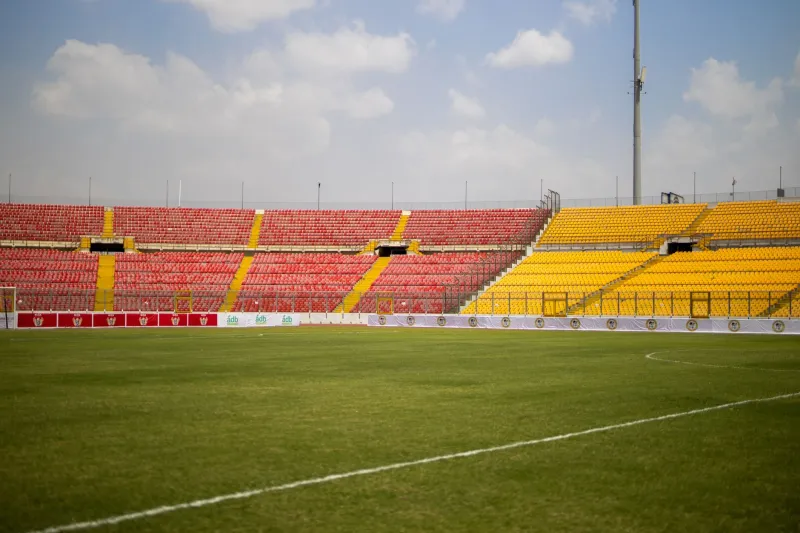
Start with the basics. Rent isn't a line item because the municipality owns the stadium. Utilities for a 5,000-seat ground come to roughly what a US family pays in a mid-size suburb — a few hundred dollars a month, and the tea boiler in the supporters' section eats a suspicious share of it.
Player wages? The top earner makes about $900 a month. He also works part-time at his brother-in-law's hardware store in the off-season, and nobody thinks that's strange. The travel budget is where things get creative: the team bus is leased from a local company whose owner has held the same season ticket since 1987, and the rate he charges would make a US charter operator laugh, then cry.
Add it all up — wages, bus, insurance, laundry (yes, laundry is a real line), referee fees, pitch maintenance — and you land somewhere around $180,000 for a full season. A single American pro athlete's shoe deal exceeds that before he laces up.
The Butcher, the Tea Shop, and the Shirt Deal
So where does the money come from? Not television. Fifth-division matches barely get a radio crew, let alone cameras. The lifeblood is local, and I mean hyper-local.
The main shirt sponsor is a butcher shop two streets from the stadium. The back-of-shirt spot went to a tea house that pays partly in cash and partly in, well, tea — which, given how much the club consumes, is not a terrible arrangement. A hardware store sponsors the away kit. A family-run bakery covers the youth team's socks.
Gate receipts sound trivial until you do the math. Tickets cost the equivalent of about two dollars. A decent crowd of 2,500 generates roughly $5,000 on a good afternoon, and most of that goes straight back out the door to matchday costs. The club's real financial engine is the 100 Club — a group of local businesses and families who pledge a fixed amount monthly, no questions asked, win or lose.
Perspective for the American Reader
To put this in US terms: the entire annual budget of this club is less than the cost of a 30-second Super Bowl ad. It's less than one month of an NFL backup quarterback's salary. It's roughly what a mid-major college athletic department spends on bus fuel.
And yet here's the thing that stuck with me: the club has never missed a payroll. Not once in its modern history. The treasurer keeps a binder — an actual paper binder — tracking every pledge, every payment, every borrowed kit bag from three decades ago. There's no revenue sharing, no salary floor, no safety net. If the butcher has a bad year selling kebabs, the shirt sponsorships shrink. Everybody in town understands this chain of dependency, which is exactly why nobody lets a link break.
What Survival Actually Looks Like
There's a temptation to romanticize this, and I'll resist it. Running a club this way is stressful. The president estimates he spends 20 hours a week on unpaid club business, on top of his day job. Equipment gets patched rather than replaced. The away-trip meal is always the same place on the Ankara road because they give the team a discount and the portions are honest.
But there's also something here that money at the top of American pro sports can't buy: total alignment. When the club wins, the butcher sells more meat on Sunday because the whole town is in a good mood. When it loses, the tea shop pours a little extra on the house. The club isn't a business that happens to be in Kastamonu. It's Kastamonu, incorporated.
So the next time you see an NBA player's shoe deal headline, remember there's a stadium on a hill in northern Turkey where an entire club — its history, its payroll, its whole reason for existing — costs less than the ink on that contract. And honestly? They wouldn't trade places.