Not for Sale: The Hand-Stitched Banner That Outlasted Every Sponsor Kastamonu Ever Had
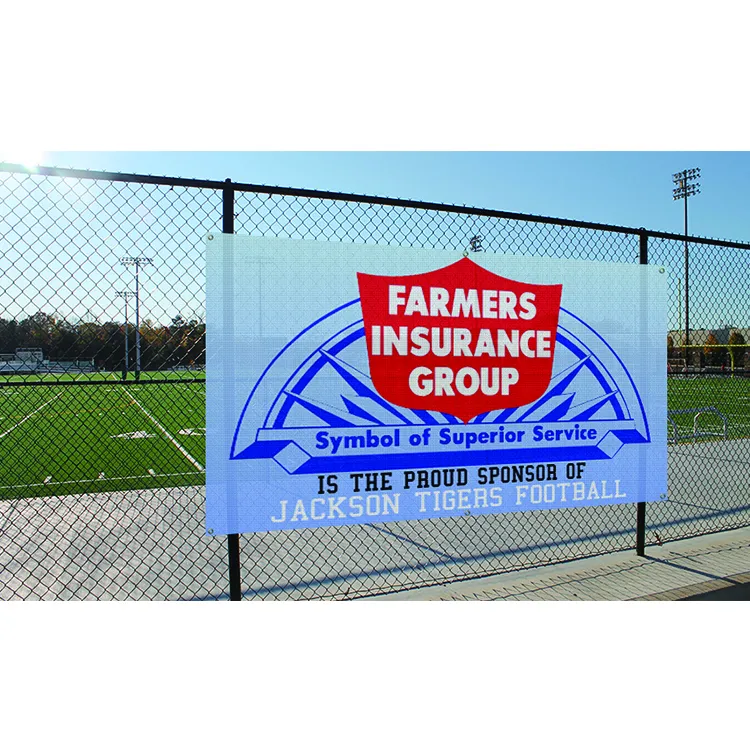
Photo: handmade fabric banner hanging on stadium fence at small football ground, via sc04.alicdn.com
There's a patch of fence along the east sideline at Kastamonu's ground that should be worth money. Good sightlines, camera-facing, right where the local broadcast cuts to during throw-ins. Any marketing firm worth its invoice would tell you it's prime inventory.
Instead, there's a banner. Faded navy, a little crooked, edges fraying like an old baseball glove. Hand-stitched. Twenty years old this season.
And every autumn, when the sponsorship offers arrive, the man who hangs it says the same thing he's said since 2005: no.
The Man With the Keys
Mehmet Demirtaş has been the club's equipment manager longer than most of the current squad has been alive. He washes the kits, counts the cones, and arrives at the ground before sunrise on matchdays to make sure everything from the ball pressure to the halftime oranges is exactly right. If you've read about the quiet machinery behind this club before, you know the type — the guys who never make the highlight reel but without whom nothing else happens.
The banner was his mother's project. She sewed it in the winter of 2004, when the club was broke, nearly relegated, and playing in front of a few hundred diehards. It says the club's name and the founding year, nothing more. No sponsor logo. No tagline. Just the name.
"She made it because we had nothing on that fence," Mehmet told me, folding a stack of training bibs without looking down. "The year after, we had money again. First offer came for that spot. I said the spot is taken."
It's been taken ever since.
Turning Down Real Money
Here's what makes this story sting a little: the offers have been legitimate. Local businesses, a regional beverage distributor, once even a national brand doing a grassroots push in Anatolia. Mehmet won't quote figures, but club board members I spoke with estimate the cumulative value of two decades of declined deals in the tens of thousands of dollars — real operating cash for a club that budgets like a college club team rather than a pro franchise.
For context, that's roughly the annual cost of the youth team's travel. It's a striker's signing bonus. It's not nothing.
"People think I'm romantic about a piece of cloth," Mehmet said. "I'm not romantic. I'm practical. That banner is the only thing at this club that has never changed hands, never been renamed, never been rebranded. You want to know why people trust us? Look at the fence."
There's an American comparison that comes to mind instantly: the Green Bay Lambeau Field tradition, or the way Boston fans treat the manual scoreboard at Fenway. Some things become valuable precisely because they refuse to be monetized. In an era when stadium naming rights change faster than head coaches, a fence that says no is its own kind of statement.
The Season It Almost Came Down
The banner's streak nearly ended in 2013. The club was in a cash crunch, a sponsor was ready to sign, and the deal included sideline signage. The board put it to a vote. It failed by one.
Mehmet doesn't talk about that meeting much. His daughter does, though. She told me he sat in the car outside the clubhouse for an hour afterward, then went in and hung the banner for the next home match like nothing had happened.
"My father measures time in home games," she said. "The banner has been to every single one since before I was born. It's not decoration. It's attendance."
What Loyalty Actually Costs
We write a lot on this site about the invisible people who keep Kastamonu running — the kit men, the physios, the grandmothers with the real record book. There's a pattern in these stories, and it's worth naming: the most valuable things at this club are consistently the things nobody would put on a balance sheet.
Mehmet's refusal isn't stubbornness for its own sake. He'll tell you the club needs sponsors — and it does, plenty of them, on the shirts, on the boards behind the goals, in the program. He's not anti-commerce. He's anti-erasure. The banner stays because it's the one square meter of this ground that still looks exactly like it did when his mother finished the last stitch.
"Sponsors come and go. I've hung their signs and taken them down. Good people, most of them," he said. "But my mother? She only got to make one. So it stays."
This season, as the club marks twenty years of the banner, a few supporters have quietly organized something: a matchday where fans bring their own homemade signs, no logos, just names and years and messages. They're calling it the stitch-in.
Mehmet, predictably, pretends he doesn't know about it.
But if you get to the ground early enough on matchday — earlier than the early birds, earlier than the grounds crew — you'll see him pause after hanging it. Just for a second. Straightening a corner that will never quite sit flat.
Then he goes back to counting cones, and the fence keeps its oldest tenant for another week.