Seventy Years of Carrying Water: The Man Who Outlasted Every Player Kastamonu Ever Signed
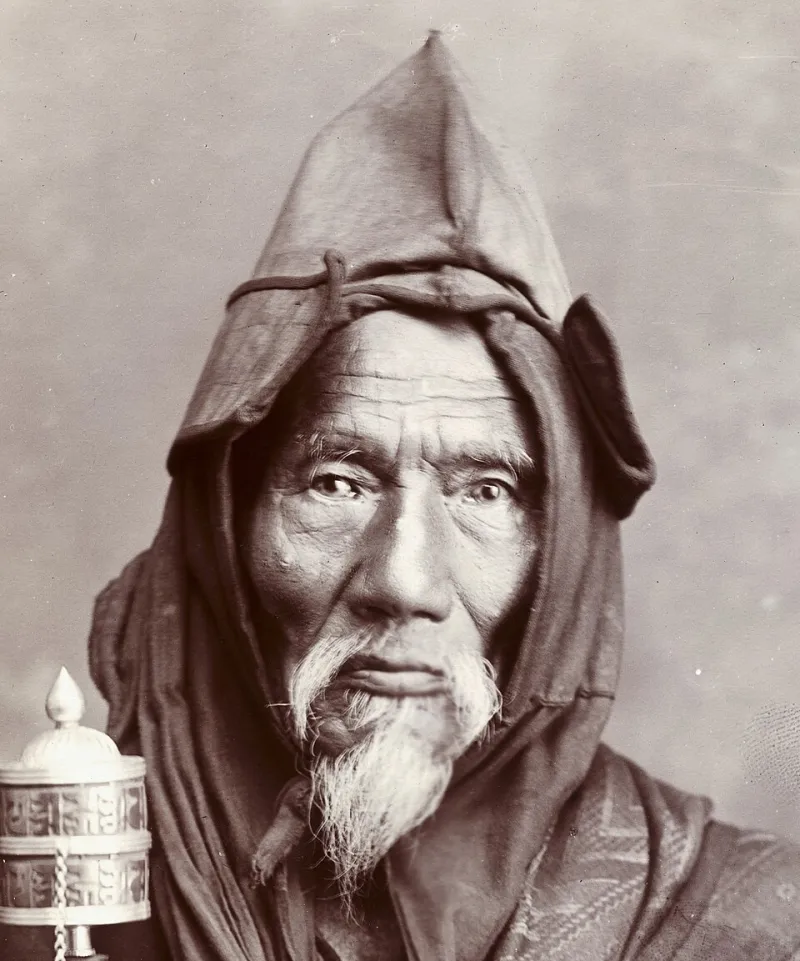
Photo: Unknown, CC BY 4.0, via Wikimedia Commons
Every sports town has one. The guy who was there before anyone, who'll be there after everyone. In Green Bay it was the guy who shoveled Lambeau's sideline for four decades. In Boston, it was the usher who watched Ted Williams from the same corner of Fenway for fifty years. In Kastamonu, his name is Mehmet — and his entire job description, if you can call it that, is water.
The Longest Tenure in Club History
Mehmet is somewhere north of seventy. Ask him his exact age and he'll wave a hand at you, the same way he waves at everyone, and tell you to ask the club secretary, who also doesn't know. What the record books do show is this: no photograph of a Kastamonu home match from the past half-century exists without him somewhere in the frame. Usually at the edge. Usually carrying something.
It started, as these things do, with a small errand. A thirsty keeper. A jug borrowed from his father's shop. Sixty years later, the jug is a ritual, the errand is a role, and nobody — not board members, not managers, not three separate club reorganizations — has ever had the nerve to make it official. Making it official might break it.
What He Actually Does
Try to list Mehmet's duties and you'll fail, because the list changes by the hour. He carries water bottles to the bench. He knows which young player is nervous before a derby and needs a word in the ear. He relays messages between the front office and the training ground faster than any WhatsApp thread. He remembers the name of every away-team kit man, and they remember his.
That last part is the remarkable one. Ask visiting clubs about Kastamonu and the answers come back strangely consistent: the fans are loud, the hill is steep, and make sure you say hello to the old man. Turkish second-division players have signed for new teams and mentioned him in introductory interviews. One former opponent, now playing top-flight ball, reportedly makes a detour to shake his hand whenever the fixture calendar allows.
The Mythology of Small Jobs
Here's what American sports franchises spend millions trying to manufacture and can't: authenticity of presence. Teams hire "legends" and hand out ceremonial titles. They stage surprise reunions and print retrospective posters. It's lovely. It's also choreographed.
Mehmet's status was never awarded. It accumulated — one carried bottle, one remembered birthday, one snowy Tuesday match nobody attended except him and forty other lifers. Small-club mythology gets built exactly this way: not in a single heroic act, but through thousands of small jobs done without expectation. There's no plaque for showing up. There's just showing up, and then one day you realize the club would be unrecognizable without you.
Belonging, Not Employment
When Kastamonu's current captain was asked about him, the answer cut to the heart of it: "He's not staff. He's not a fan. He's the club." The distinction matters. Staff can be let go. Fans can stay away. But the water carrier is woven into the place itself, like the slope behind the north stand or the smell of the grill on matchday.
For US readers, think of the small-town Friday night lights where the same announcer has called games since the Nixon administration. Now imagine that man also running the concession stand, patching the fence, and coaching the coach's dad back in the day. That's Mehmet. He is the institutional memory that no spreadsheet captures.
The Question Nobody Wants to Ask
There's an unspoken undercurrent among the regulars: what happens when he can't do it anymore? Nobody has an answer. A few years back, a local businessman offered to fund a formal position — "Head of Pitchside Support," or some such corporate perfume. Mehmet declined. The club wisely let the idea die.
Instead, something quieter has begun. A teenager from the academy now shadows him on matchdays, carrying the second jug, learning which players like lukewarm water and which want it ice-cold. Nobody announced the succession. There was no ceremony. There rarely is, in Kastamonu.
The club will sign new players this winter and sell some in the spring. Managers will come and go. The league table will swing. But pitchside, rain or snow or forty-degree heat, an old man will keep making his rounds — proof that the most durable thing in sports isn't a contract or a trophy, but a job nobody asked you to do, done so long it becomes the place itself.