Triple the Gate, Half the Attention: How Kastamonu's Women's Team Became the Club's Best-Kept Secret
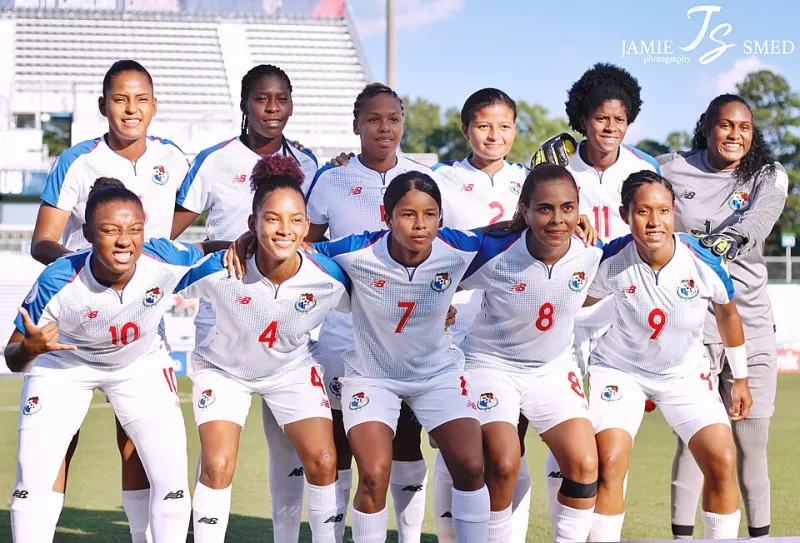
Photo: Jamie Smed, CC BY 2.0, via Wikimedia Commons
Here's a number that should stop you cold: three seasons ago, Kastamonu's women's team drew maybe 80 people a match. Most of them family. Last month, they packed in over 400 — standing-room-only behind the goal, drums going, the works — for a mid-table league fixture that meant nothing on paper and everything in the stands.
Meanwhile, the men's side gets the headlines, the merchandise shelf space, and the assumption — fair or not — that they're what this club is "really" about. The women's team? They've won two titles in three years and most of the city still doesn't know their names.
We wanted to know how that's even possible. So we hung around. A lot.
Built From a Group Text
The origin story is about as glamorous as you'd expect. Three years ago, the squad didn't exist in any formal sense. There was a coach, Selin Aydın — a former player who'd come back home after a stint in Ankara — and a group chat of about twenty women who'd grown up playing pickup ball on the same streets as the boys but never had anywhere for it to go.
"We weren't a team," Aydın told us, laughing, on a cold Tuesday after training. "We were a rumor of a team. Half the girls didn't have proper boots. We borrowed the men's old training bibs. They were, obviously, enormous."
The bibs eventually got replaced. The results came faster than anyone expected. But what's genuinely interesting isn't the winning — it's the audience-building, which has happened almost entirely by accident, one convert at a time.
The Family Plan
Ask anyone around the squad how the fanbase grew and you'll hear the same word: families. In a city where supporting the club is often inherited like a surname, the women's team found a loophole — they became the entry point for people who'd never felt the men's matches were for them.
Mothers bringing daughters. Older sisters dragging little brothers. A whole section of the ground that looks different from the traditional standing area, because it is.
"My father watched my first match on a stream," says defender Zeynep K., twenty-two, born and raised ten minutes from the ground. "Now he comes in person. He has opinions. Loud ones. He argued with a stranger about our set-piece defending for twenty minutes last week. I've never been prouder."
If you've ever watched a WNBA franchise or an NWSL club build a following from nothing, the pattern will feel familiar. You don't convert the diehards first. You convert the people standing next to the diehards.
What the Winning Actually Costs
None of this is a fairytale, and the players are refreshingly blunt about that. Training schedules bend around jobs and university exams. Travel to away fixtures means long bus rides that make Kastamonu's famously devoted away-day crowd — fourteen hours, one bus, remember — look like a short hop. Sponsorship is thin, and the players know every kit and every bus rental exists because someone fought for it.
"We count things," Aydın says. "Cones, buses, everything. But honestly? So does every club at this level. The difference is we're building something with no template. Nobody handed us a manual."
There's also the quiet tension of sharing a badge with a men's team that gets the resources, the coverage, and the default loyalty of the town. Nobody we spoke to was bitter about it — but nobody pretended it wasn't real, either.
Why This Matters to Everyone
Here's the part the club's board should be paying attention to. The women's team isn't just a nice story bolted onto the main operation. It's expanding the club's actual footprint — new fans, new families, new revenue, new players in the youth pipeline who now have a first team to dream about.
Attendance has tripled. Merch sales for the women's kit reportedly outpaced projections before the season even started. And the academy is suddenly getting calls from parents of nine-year-old girls asking a question that simply didn't exist here five years ago: when can she try out?
That's not a side project. That's the future showing up early.
Come See For Yourself
If you've never been to a women's match at the ground, do it this season. Tickets are cheap, the sightlines are the same, and the football is genuinely good — quicker in transition than the men's side, if we're being honest, because these players grew up on futsal courts and small pitches where hesitation gets punished.
The drums are there. The chants are there. And the team playing in front of you might just be the best-kept secret in Turkish regional football.
The secret won't stay kept much longer. Be there before it isn't.